Rules for main forums
- Be nice
- No advertisement
- No events
- No fundraisers
- No topics asking for votes
- Only posts related to Judo
kata championships
5 year(s) ago • 5035 views • 12 replies
 JD
JD5th DanPending

 MD
MD4th DanPending
5 year(s) ago
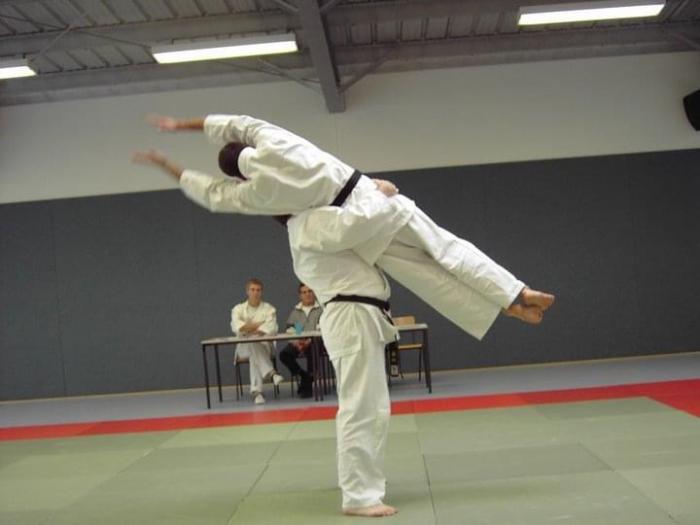
I’ve done one kata tournament competing in kime no kata. We placed third
 SZ
SZ1st DanPending
5 year(s) ago
Does anyone have any experience of Nage no Kata championships or tournaments ?
 RM
RM1st DanPending
5 year(s) ago
I've made it to sankyu without ever having done any kata. Is this typical?
I've seen kata demonstrations at the tournaments I've attended, and it always looks super silly. I understand that it's just part of Judo, and therefore should be part of one's Judo experience but I'm not super excited about the prospect of doing some kata. Maybe it's just me?
I've seen kata demonstrations at the tournaments I've attended, and it always looks super silly. I understand that it's just part of Judo, and therefore should be part of one's Judo experience but I'm not super excited about the prospect of doing some kata. Maybe it's just me?
JD5th DanPending
5 year(s) ago
Kata (forms)
See also: Kata
Kanō Jigorō and Yamashita Yoshitsugu performing Koshiki-no-kata
Kata (形, kata, forms) are pre-arranged patterns of techniques and in judo, with the exception of the Seiryoku-Zen'yō Kokumin-Taiiku, they are all practised with a partner. Their purposes include illustrating the basic principles of judo, demonstrating the correct execution of a technique, teaching the philosophical tenets upon which judo is based, allowing for the practice of techniques that are not allowed in randori, and to preserve ancient techniques that are historically important but are no longer used in contemporary judo.
There are ten kata that are recognized by the Kodokan today:
Randori-no-kata (乱取りの形, Free practice forms), comprising two kata:
Nage-no-kata (投の形, Forms of throwing) Fifteen throws, practiced both left- and right-handed, three each from the five categories of nage waza: te waza, koshi waza, ashi waza, ma sutemi waza and yoko sutemi waza.
Katame-no-kata (固の形, Forms of grappling or holding). Fifteen techniques in three sets of five, illustrating the three categories of katame waza: osaekomi waza, shime waza and kansetsu waza.
Kime-no-kata (極の形, Forms of decisiveness). Twenty techniques, illustrating the principles of defence in a combat situation, performed from kneeling and standing positions. Attacks are made unarmed and armed with a dagger and a sword. This kata utilises atemi waza, striking techniques, that are forbidden in randori.
Kōdōkan goshinjutsu (講道館護身術, Kodokan skills of self-defence). The most recent recognised kata, comprising twenty-one techniques of defence against attack from an unarmed assailant and one armed with a knife, stick and pistol. This kata incorporates various jujutsu techniques such as wrist locks and atemi waza.
Jū-no-kata (柔の形, Forms of gentleness & flexibility). Fifteen techniques, arranged in three sets of five, demonstrating the principle of Jū and its correct use in offence and defence.
Gō-no-kata (剛の形, Forms of force). One of the oldest kata, comprising ten forms that illustrate the efficient use of force and resistance. Now rarely practiced.
Itsutsu-no-kata (五の形, The five forms). An advanced kata, illustrating the principle of seiryoku zen'yō and the movements of the universe. The kata predates the creation of Kodokan and originated in Tenjin Shinyō-ryū.
Koshiki-no-kata (古式の形, Traditional forms). Derived from Kitō-ryū Jujutsu, this kata was originally intended to be performed wearing armour. Kano chose to preserve it as it embodied the principles of judo.
Seiryoku Zen'yō Kokumin Taiiku (精力善用国家体育, Maximum-efficiency national physical education). A series of exercises designed to develop the physique for judo.
Joshi-goshinhō (女性護身法, Methods of self-defence for women). An exercise completed in 1943, and of which the development was ordered by Jiro Nango, the second Kodokan president.
In addition, there are a number of commonly practiced kata that are not recognised by the Kodokan. Some of the more common kata include:
Go-no-sen-no-kata (後の先の形) A kata of counter techniques developed at Waseda University in Tokyo, popularised in the West by Mikinosuke Kawaishi.
Nage-waza-ura-no-kata (投げ技裏の形) Another kata of counter techniques, created by Kyuzo Mifune.
Katame-waza ura-no-kata (固め技裏の形, Forms of reversing controlling techniques) a kata of counter-attacks to controlling techniques, attributed to Kazuo Itō (W-Judo- Wikipedia)
See also: Kata
Kanō Jigorō and Yamashita Yoshitsugu performing Koshiki-no-kata
Kata (形, kata, forms) are pre-arranged patterns of techniques and in judo, with the exception of the Seiryoku-Zen'yō Kokumin-Taiiku, they are all practised with a partner. Their purposes include illustrating the basic principles of judo, demonstrating the correct execution of a technique, teaching the philosophical tenets upon which judo is based, allowing for the practice of techniques that are not allowed in randori, and to preserve ancient techniques that are historically important but are no longer used in contemporary judo.
There are ten kata that are recognized by the Kodokan today:
Randori-no-kata (乱取りの形, Free practice forms), comprising two kata:
Nage-no-kata (投の形, Forms of throwing) Fifteen throws, practiced both left- and right-handed, three each from the five categories of nage waza: te waza, koshi waza, ashi waza, ma sutemi waza and yoko sutemi waza.
Katame-no-kata (固の形, Forms of grappling or holding). Fifteen techniques in three sets of five, illustrating the three categories of katame waza: osaekomi waza, shime waza and kansetsu waza.
Kime-no-kata (極の形, Forms of decisiveness). Twenty techniques, illustrating the principles of defence in a combat situation, performed from kneeling and standing positions. Attacks are made unarmed and armed with a dagger and a sword. This kata utilises atemi waza, striking techniques, that are forbidden in randori.
Kōdōkan goshinjutsu (講道館護身術, Kodokan skills of self-defence). The most recent recognised kata, comprising twenty-one techniques of defence against attack from an unarmed assailant and one armed with a knife, stick and pistol. This kata incorporates various jujutsu techniques such as wrist locks and atemi waza.
Jū-no-kata (柔の形, Forms of gentleness & flexibility). Fifteen techniques, arranged in three sets of five, demonstrating the principle of Jū and its correct use in offence and defence.
Gō-no-kata (剛の形, Forms of force). One of the oldest kata, comprising ten forms that illustrate the efficient use of force and resistance. Now rarely practiced.
Itsutsu-no-kata (五の形, The five forms). An advanced kata, illustrating the principle of seiryoku zen'yō and the movements of the universe. The kata predates the creation of Kodokan and originated in Tenjin Shinyō-ryū.
Koshiki-no-kata (古式の形, Traditional forms). Derived from Kitō-ryū Jujutsu, this kata was originally intended to be performed wearing armour. Kano chose to preserve it as it embodied the principles of judo.
Seiryoku Zen'yō Kokumin Taiiku (精力善用国家体育, Maximum-efficiency national physical education). A series of exercises designed to develop the physique for judo.
Joshi-goshinhō (女性護身法, Methods of self-defence for women). An exercise completed in 1943, and of which the development was ordered by Jiro Nango, the second Kodokan president.
In addition, there are a number of commonly practiced kata that are not recognised by the Kodokan. Some of the more common kata include:
Go-no-sen-no-kata (後の先の形) A kata of counter techniques developed at Waseda University in Tokyo, popularised in the West by Mikinosuke Kawaishi.
Nage-waza-ura-no-kata (投げ技裏の形) Another kata of counter techniques, created by Kyuzo Mifune.
Katame-waza ura-no-kata (固め技裏の形, Forms of reversing controlling techniques) a kata of counter-attacks to controlling techniques, attributed to Kazuo Itō (W-Judo- Wikipedia)
 JD
JD2nd DanPending
5 year(s) ago
I've competed in Ju no Kata with my brother for one competition before covid stopped us, we placed first in our category :D
I also volunteer each year at EJU kata tournament "Marce Clause" in Belgium, which allow me to see quite great performance each year.
I also volunteer each year at EJU kata tournament "Marce Clause" in Belgium, which allow me to see quite great performance each year.
JD2nd DanPending
5 year(s) ago
I've made it to sankyu without ever having done any kata. Is this typical? I've seen kata demonstrations at the tournaments I've attended, and it always looks super silly. I understand that it's just part of Judo, and therefore should be part of one's Judo experience but I'm not super excited about the prospect of doing some kata. Maybe it's just me?
It's quite common, I began learning Nage no kata as a green belt iirw, which is sankyuu.
Kata are an important part of judo, and I really think doing kata will help you learn new thing about judo and discover new area of it :)
Unfortunately, kata is often seen as just a mean to pass a grade, which lead to no enthusiasm in learning/teaching it, and of course, poor result in this learning because of it. I would advise you to find an enthusiast kata practitioner to help you when you begin to learn it, I'm sure it'll grow on you if you learn it with someone who didn't just learn kata because he had to!
Kata are an important part of judo, and I really think doing kata will help you learn new thing about judo and discover new area of it :)
Unfortunately, kata is often seen as just a mean to pass a grade, which lead to no enthusiasm in learning/teaching it, and of course, poor result in this learning because of it. I would advise you to find an enthusiast kata practitioner to help you when you begin to learn it, I'm sure it'll grow on you if you learn it with someone who didn't just learn kata because he had to!
 SC
SC2nd DanPending
5 year(s) ago
I've made it to sankyu without ever having done any kata. Is this typical? I've seen kata demonstrations at the tournaments I've attended, and it always looks super silly. I understand that it's just part of Judo, and therefore should be part of one's Judo experience but I'm not super excited about the prospect of doing some kata. Maybe it's just me?
I feel you. I'm not crazy about some of the kata
 JP
JP2nd DanPending
5 year(s) ago
Nage no kata and katame no kata are requirements for shodan and nidan in most US organizations if I remember correctly. I recall starting on nage no kata from pretty early in my training. It's a nice mix of throws from several waza, and it helps the uke and tori equally. I also recall several sensei making nage no kata the core of the shodan test; left and right, uke and tori. If you can so that, you have a very good grasp of throws. Same with pins, holds, and strangles in katame no kata. If you can do those, you're theoretically solid in your basics.
Edited 5 year(s) ago
JD5th DanPending
5 year(s) ago
who is interested in an online kata championship can find out more here.
I will take part in two different associations as a judge.
when the time comes I'll post information here.
I will take part in two different associations as a judge.
when the time comes I'll post information here.
 D
D4th DanPending
5 year(s) ago
I have competition experience at multiple levels (Regional, National, and 1 International) with Katame and Kime no Kata as well as with Goshin Jutsu. While judo Kata is highly misunderstood I have come to appreciate it on many levels. I look forward to hearing about these online competitions as it is important to stay active in the art.
JD5th DanPending
5 year(s) ago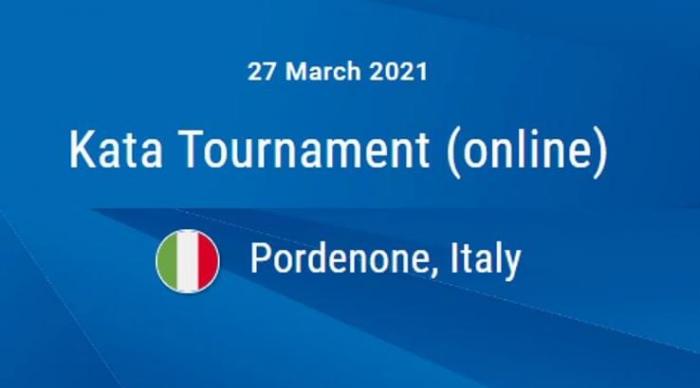
First Online EJU Kata Tournament 2021. See the Outlines on :
https://www.eju.net/event[...]ne/198949/
https://www.eju.net/event[...]ne/198949/
JD5th DanPending
5 year(s) ago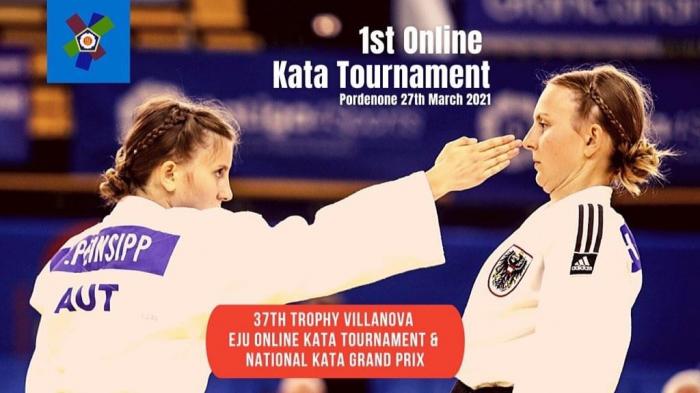
The EJU is, for the first time, hosting an online Kata tournament, whereby the participants will be required to send in video footage for analysis.
Those wishing to be a part of the event will be able to send in footage by midday on the 20th of March!
The online tournament and evaluation will be streamed live on the 27th of March
To Read Full article/more information:
Those wishing to be a part of the event will be able to send in footage by midday on the 20th of March!
The online tournament and evaluation will be streamed live on the 27th of March
To Read Full article/more information: